
What is the street price for 30 mg of oxycodone?
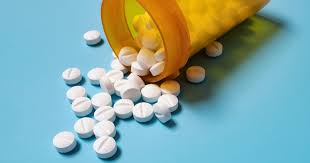
What is oxycodone?
Oxycodone is used to manage pain severe enough to require an opioid pain medicine when other pain medicines do not treat pain well enough, or are not tolerated.
- Immediate-release formulations (tablets, capsules, oral solution) are used to treat severe pain when other medications are ineffective or not tolerated.
- Extended-release tablets manage persistent, severe pain requiring daily, long-term treatment and are not for “as-needed” use. Approved for adults and opioid-tolerant patients aged 11+ already taking at least 20mg oxycodone daily.
Oxycodone can put you at risk for overdose and death. Even if you take your dose correctly as prescribed, you are at risk for opioid addiction, abuse, and misuse that can lead to death.
The FDA requires a Risk Evaluation and Mitigation Strategy (REMS) for opioid analgesics to balance benefits against risks of addiction and misuse. Prescribers must complete REMS-compliant education, counsel patients on safe use and disposal, ensure patients read Medication Guides, and consider patient-prescriber agreements to enhance safety.
Oxycodone is a full mu-opioid receptor agonist providing analgesia with no ceiling effect, meaning doses are limited only by adverse effects like respiratory and CNS depression. Its precise analgesic mechanism is unknown, but CNS opioid receptors throughout the brain and spinal cord are believed to be involved.
Oxycodone first gained FDA approval on October 26, 1998. It is a Schedule II controlled substance.
Important Information About Oxycodone
Get emergency help or call 911 right away if you take too much oxycodone (overdose). When you first start taking oxycodone, when your dose is changed, or if you take too much (overdose), serious or life-threatening breathing problems that can lead to death may occur. Ask your healthcare provider about medicines like naloxone or nalmefene that can be used in an emergency to reverse an opioid overdose.
Taking oxycodone with other opioid medicines, benzodiazepines, alcohol, or other central nervous system depressants (including street drugs) can cause severe drowsiness, decreased awareness, breathing problems, coma, and death.
Never give anyone else your oxycodone. They could die from taking it. Selling or giving away oxycodone is against the law.
Store oxycodone securely, out of sight and reach of children, and in a location not accessible by others, including visitors to the home.
Starting Oxycodone? Read this first
Side Effects
Common Side Effects
The possible side effects of oxycodone are constipation, nausea, sleepiness, vomiting, tiredness, headache, dizziness, and abdominal pain.
Call your healthcare provider if you have any of these symptoms and they are severe.
Serious Side Effects
Get emergency medical help or call 911 right away if you have:
- Trouble breathing
- Shortness of breath
- Fast heartbeat
- Chest pain
- Swelling of your face, tongue, or throat
- Extreme drowsiness
- Light-headedness when changing positions
- Feeling faint
- Agitation
- High body temperature
- Trouble walking
- Stiff muscles
- Mental changes such as confusion.
These are not all the possible side effects of oxycodone. Call your healthcare provider for medical advice about side effects. You may report side effects to the FDA at 1-800-FDA-1088.
Oxycodone side effects (more detail)
Before Taking
Do not take oxycodone if you have:
- Severe asthma
- Trouble breathing or other lung problems
- A bowel blockage or a narrowing of the stomach or intestines
- An allergy to oxycodone or any of the ingredients in your oxycodone preparations.
Before taking oxycodone, tell your healthcare provider if you have a history of:
- Head injury, seizures
- Liver, kidney, thyroid problems
- Problems urinating
- Pancreas or gallbladder problems
- Abuse of street or prescription drugs, alcohol addiction, opioid overdose, or mental health problems.
Tell your healthcare provider if you are:
- Noticing your pain is getting worse. If your pain gets worse after you take oxycodone, do not take more of oxycodone without first talking to your healthcare provider. Talk to your healthcare provider if the pain that you have increases, if you feel more sensitive to pain, or if you have new pain after taking oxycodone.
- Pregnant or planning to become pregnant. Using oxycodone for an extended period of time during pregnancy can cause withdrawal symptoms in your newborn baby that could be life-threatening if not recognized and treated.
- Breastfeeding. Oxycodone passes into breast milk and may harm your baby. Carefully observe infants for increased sleepiness (more than usual), breathing difficulties, or limpness. Seek immediate medical care if you notice these signs.
- Living in a household where there are small children or someone who has abused street or prescription drugs.
- Taking prescription or over-the-counter medicines, vitamins, or herbal supplements. Taking oxycodone with certain other medicines can cause serious side effects that could lead to death.
Oxycodone pregnancy and breastfeeding warnings (more detail)

Лечение состоит из нескольких шагов. Специалисты не должны ставить капельницы автоматически: сначала проводится диагностика, оценка рисков и определяется безопасная лечебная тактика. Такой подход помогает снизить вероятность осложнений и сделать лечение обоснованным.
Подробнее – https://narcolog-na-dom-lugansk13.ru/