Oxycodone online prescription
xycodone is an opioid prescription medication used for pain management for extended periods, particularly after operations or severe injuries. It can also be used to treat severe pain from cancer.
Want to get an oxycodone online prescription? Find a licensed provider on Klarity Health and get an oxycodone prescription online within 24 hours if it’s medically appropriate for you.
Online pain treatment for you and about you
You’re unique. And your needs are too. You deserve online pain treatment from a provider committed to you. That’s why you can find a pain treatment specialist on Klarity Health and access:
What is oxycodone?
Oxycodone hydrochloride (HCI) tablets were U.S. Food and Drug Administration (FDA)-approved in 1995 to manage moderate to severe pain. This medication is approved to manage moderate to serious pain when an around-the-clock, constant pain medication is needed for a long period of time.
Oxycodone is also used to treat pain associated with cancer, the lower back, arthritis, neuralgia, fractures, dislocation, bursitis, and childbirth. Neuralgia is pain caused by damage or irritation to a nerve. Bursitis is inflammation of the bursae, which are small sacs that cushion the muscles, tendons, and bones around your joints.
How does oxycodone work?
Keep in mind that you should only use oxycodone when you haven’t tolerated or haven’t received enough pain relief from opioid combination products or non-opioid analgesics. Oxycodone should also only be used for a long period of time if the pain is serious enough to need an opioid pain medication, and other treatment options haven’t worked well enough.
Oxycodone belongs to a medication class called opiate (narcotic) analgesics, or pain medications. Oxycodone relieves or treats moderate to serious pain by acting on the central nervous system (CNS). It also impacts the way that your nervous system and brain respond to pain in the body.
Oxycodone is an opioid pain medication prescribed to treat moderate to severe pain. The medication blocks the pain signals in your body to impact how you feel pain. Oxycodone is an opioid agonist and works by activating the opioid receptors in your nervous system. It treats moderate to severe pain when you’ve tried other pain medications that either aren’t tolerated by your body or simply don’t work well enough.
Oxycodone comes in several different formulations, including immediate-release tablets, immediate-release, abuse-deterrent tablets, immediate-release capsules, an immediate-release oral solution, and extended-release tablets. The faster-acting formulations are prescribed to treat acute or short-term pain, while the extended-release tablets treat chronic and severe pain.
Oxycodone is also a controlled substance. The U.S. Drug Enforcement Administration (DEA) categorizes controlled substances into 5 different schedules. These schedules are based on several factors, including the medication’s risk to public health, potential for abuse, and risk of dependence.
Oxycodone is a Schedule II controlled substance. This means that oxycodone has an approved medical use but also has a high risk for abuse, which can lead to severe physical or psychological dependence. Other examples of Schedule II drugs include Demerol (meperidine), Dolophine (methadone), Dilaudid (hydromorphone), and Duragesic (fentanyl).
Who can take oxycodone?
Oxycodone is primarily prescribed to treat and manage moderate to severe pain. People with the following conditions can’t take oxycodone or should take caution before using it:
• Allergies. Don’t take oxycodone if you’re allergic to it. Let your provider know if you’ve ever had an allergic or unusual reaction to oxycodone or any other medications. Also let your provider know if you have other kinds of allergies, including to animals, preservatives, dyes, or foods.
• Children under age 11. There isn’t enough research on how oxycodone impacts children younger than 11.
• Breastfeeding. There isn’t currently enough research on the risk to babies when using oxycodone during breastfeeding. Make sure to take caution before taking oxycodone while breastfeeding.
• Drug interactions. Oxycodone has interactions with samidorphan, safinamide, naltrexone, mavorixafor, levoketoconazole, and isocarboxazid. Don’t take oxycodone while taking any of these medications.
• Other interactions. Oxycodone can interact with grapefruit juice and ethanol. If using these substances together, your provider can change your dose or how often you take the medication.
• Other medical issues. Let your provider know if you have other medical issues, including alcohol use disorder, breathing issues, head injuries, hypothyroidism, psychosis, stomach or bowel issues, asthma, seizures, kidney disease, liver disease, or gastrointestinal (GI) obstruction.
How to get an oxycodone prescription online?
Want to get an oxycodone prescription online? Here are the steps you must take to get an oxycodone prescription online:
- Book an appointment with an online provider. Meet with a licensed and board-certified healthcare provider online during a telehealth visit and get an oxycodone prescription. You might need to meet with a healthcare provider in person first, depending on the state laws where you live. Healthcare providers who can prescribe oxycodone include medical doctors (MDs), including primary care physicians. Nurse practitioners (NPs) and physician assistants (PAs) can sometimes prescribe oxycodone, depending on your state.
- Discuss your medical condition and treatment. Your provider can figure out if oxycodone is a medically appropriate treatment for your medical condition and pain situation. These situations can include pain associated with cancer, the lower back, fractures, arthritis, and more. Find a board-certified healthcare provider on Pharm meds store in as little as 24 hours. During your online appointment with your provider, you can discuss a tailored medical treatment plan for your pain, including medication.
- Pick up oxycodone at the pharmacy. Once you get an oxycodone prescription online, your provider can send the prescription to any pharmacy. You can also send the prescription to a pharmacy yourself.
Oxycodone dosages and side effects
Oxycodone dosages and how to use it
Oxycodone comes in several different formulations, including:
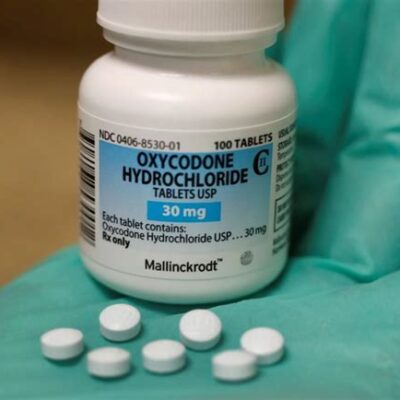
• Immediate-release oral tablets. Immediate-release oral oxycodone tablets come in 5 different dosages, including 5 milligrams, 10 milligrams, 15 milligrams, 20 milligrams, and 30 milligrams.
• Immediate-release, abuse-deterrent oral tablets. These abuse-deterrent oral tablets come in 1 dosage of 10 milligrams.
• Extended-release oral tablets. These extended-release oral tablets come in 7 different dosages, including 10 milligrams, 15 milligrams, 20 milligrams, 30 milligrams, 40 milligrams, 60 milligrams, and 80 milligrams.
• Immediate-release oral capsules. Immediate-release capsules come in 1 dosage of 5 milligrams.
• Immediate-release oral solution. Immediate-release oral solution comes in 2 different dosages, including 5 milligrams per 5 milliliters and 100 milligrams per 5 milliliters.
Make sure to take oxycodone exactly as prescribed by your healthcare provider. Never share this medication with someone else, particularly a person with a history of addiction or substance abuse. Keep oxycodone in a place where other people can’t access it.
Always swallow the oral tablet or capsule whole, and don’t dissolve, open, break, chew, or crush it. Doing so could expose you to a potentially fatal oxycodone overdose. Measure the oral solution carefully with a dosing syringe or medicine dose measuring device.
Never stop taking oxycodone suddenly. Always follow your healthcare provider’s instructions about reducing your dose gradually over time.
Store oxycodone at room temperature, away from light, moisture, and heat. Don’t keep any leftover oxycodone. Instead, ask your pharmacist or provider where to find a medication take-back disposal program.
If you miss a dose of oxycodone, take it as soon as possible. If it’s almost time for your next dose, skip the missed dose. Don’t take 2 doses of oxycodone at the same time.
Oxycodone side effects and warnings
Oxycodone side effects and warnings
Oxycodone can cause common side effects, including:
• Headache
• Tiredness
• Drowsiness
• Dizziness
• Nausea
• Vomiting
• Stomach pain
• Constipation
• Flushing
• Red eyes
• Itching
Let your provider know right away or seek emergency medical care if you notice any severe side effects. These serious side effects can include:
• Unusual behavior or thoughts
• Confusion
• Lightheadedness or fainting
• Clammy, cold skin
• Weak pulse or slow heart rate
• Heart failure, palpitations, or a fast heart rate
• Shallow breathing, sighing, noisy breathing, or breathing that stops during sleep
• Seizures or convulsions
• Low cortisol levels, including dizziness, appetite loss, vomiting, nausea, and worsening weakness or tiredness
• High serotonin levels in the body, including loss of coordination, muscle stiffness, twitching, fast heart rate, shivering, sweating, fever, hallucinations, agitation, diarrhea, nausea, and vomiting
Oxycodone carries multiple boxed warnings for risk of overdose, addiction, and death, respiratory depression, accidental ingestion by children, and risk of combining oxycodone with benzodiazepines or other CNS depressants.
Keep in mind that the misuse of oxycodone or any other opioid medication can potentially lead to death, overdose, or addiction. It’s important to keep oxycodone in a safe place where other people can’t access it.